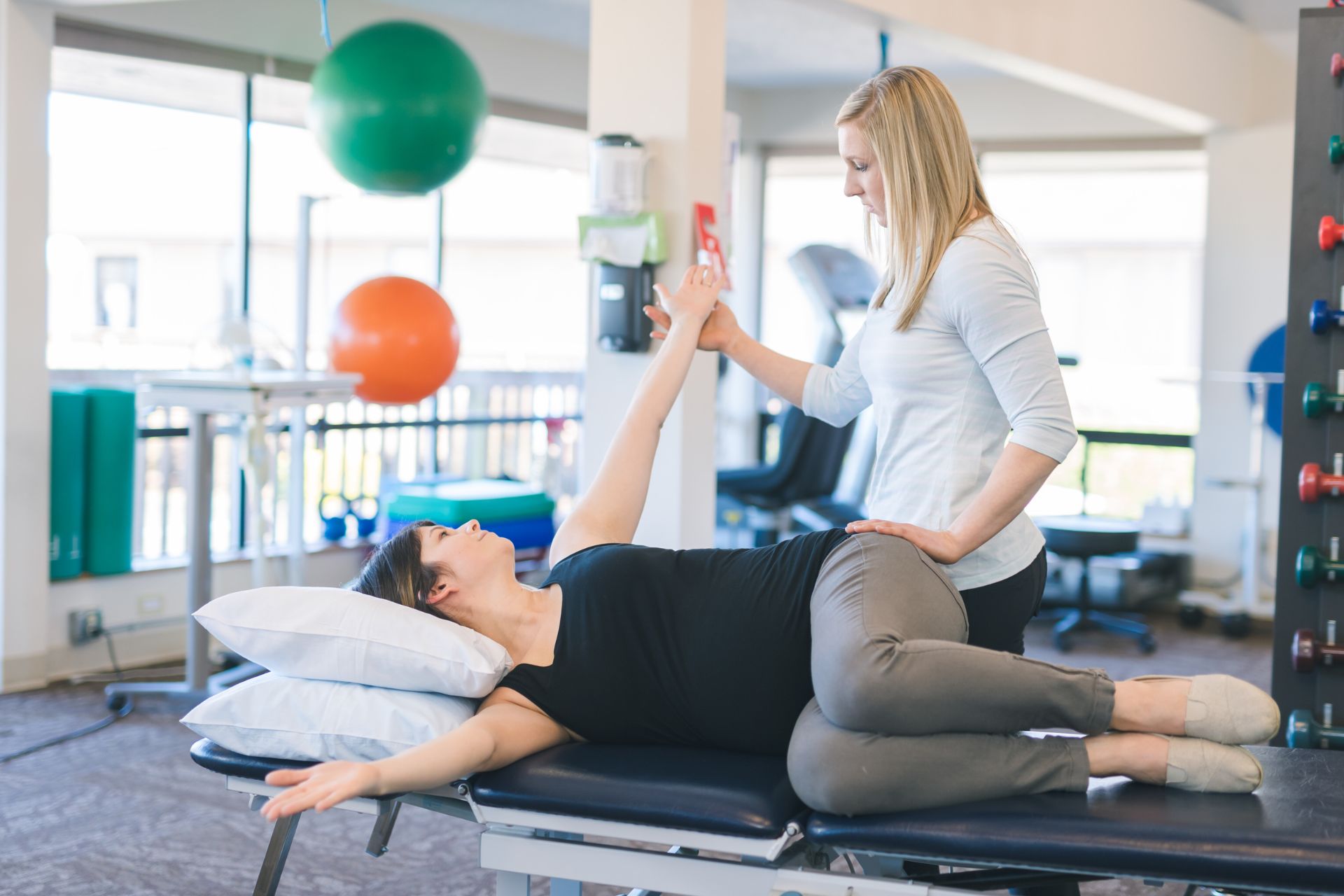
Rehabilitation Strategies to Address Rotator Cuff Tears

Rehabilitation Strategies to Address Rotator Cuff Tears

Explore effective rehabilitation strategies to address rotator cuff tears, focusing on exercises and therapies that promote healing and restore shoulder function. Learn how targeted approaches can aid recovery and enhance mobility for those affected by this common injury.

What are the most effective eccentric strengthening exercises for individuals recovering from a rotator cuff tear?

Eccentric strengthening exercises play a crucial role in the rehabilitation of individuals recovering from a rotator cuff tear, as they focus on lengthening muscles while under tension, which can effectively promote healing and improve muscle strength. One effective exercise is the eccentric external rotation with resistance bands or light dumbbells, where an individual externally rotates their shoulder against resistance while slowly returning to the starting position; this helps strengthen the supraspinatus and infraspinatus muscles vital for shoulder stability. Another beneficial activity is the sidelying external rotation, performed by lying on one side and lifting a weight away from the body using slow controlled movements; this targets rotator cuff muscles without placing excessive strain on them. Additionally, performing eccentric deltoid raises can aid recovery—lifting weights forward at an angle then lowering them gradually engages both anterior and lateral deltoids along with stabilizing components of the rotator cuff. Scapular retraction exercises also assist by focusing on eccentrically controlling scapular movement during arm elevation, which enhances overall shoulder biomechanics essential for proper function post-injury. Incorporating these targeted routines into a comprehensive physical therapy regimen not only bolsters muscular endurance but promotes enhanced joint stabilization necessary for safe return to activities like throwing or overhead lifting after sustaining such injuries. Regular assessments should be conducted to ensure exercises are tailored appropriately based on pain levels and functional progress throughout recovery stages.

Joint Mobilization Therapy techniques can significantly improve joint function and reduce pain. By exploring these methods, individuals can gain insights into effective treatments that enhance mobility and overall quality of life. To learn more about how these techniques can benefit you, visit managing chronic sports injuries with cutting-edge approaches

How does neuromuscular electrical stimulation (NMES) contribute to rotator cuff rehabilitation protocols?

Neuromuscular electrical stimulation (NMES) plays a significant role in rotator cuff rehabilitation protocols by enhancing muscle activation, promoting blood circulation, and facilitating recovery of strength in the shoulder region. This therapeutic technique involves applying electrical impulses through electrodes placed on the skin overlying specific muscles, which stimulates motor nerves and induces involuntary muscle contractions. In individuals recovering from rotator cuff injuries or surgeries, NMES helps to combat disuse atrophy by encouraging active engagement of key stabilizers like the supraspinatus and infraspinatus muscles. Furthermore, this method can improve neuromuscular coordination and restore functional movement patterns essential for daily activities such as lifting or reaching overhead. By integrating NMES into rehabilitation programs alongside traditional physical therapy techniques—such as stretching exercises, manual therapy, and progressive resistance training—clinicians can optimize healing outcomes while alleviating pain associated with impingement syndromes or tendonitis that often accompany these injuries. Additionally, research supports its efficacy in reducing inflammation and increasing range of motion around the glenohumeral joint during both acute phases of injury management and advanced stages focused on return-to-sport readiness. Overall, incorporating NMES not only accelerates recovery timelines but also empowers patients to regain confidence in their shoulder function through enhanced muscular support even after surgical interventions or prolonged periods of immobilization.

In what ways can scapular stabilization techniques enhance recovery outcomes in patients with rotator cuff injuries?

Scapular stabilization techniques can significantly enhance recovery outcomes in patients with rotator cuff injuries by promoting proper shoulder mechanics and reducing the risk of further injury. These techniques involve targeted exercises that strengthen the muscles around the scapula, such as the serratus anterior, trapezius, and rhomboids, which play a crucial role in maintaining optimal shoulder alignment during arm movements. By improving muscle coordination and balance between these stabilizing muscles, patients experience better control over their shoulder joint during rehabilitation activities. This improved stability leads to enhanced proprioception—an awareness of body position—which helps prevent compensatory movements that might exacerbate existing problems or lead to new injuries. Furthermore, scapular stabilization aids in redistributing forces across the shoulder complex when performing daily tasks or engaging in sports activities; this is particularly important for individuals who rely on overhead motions where rotator cuff integrity is essential. Additionally, incorporating these techniques into a comprehensive physical therapy program can alleviate pain associated with impingement syndrome often seen alongside rotator cuff tears by decreasing excessive strain on inflamed tendons while facilitating healing through increased blood flow to affected areas. Ultimately, effective scapular stabilization not only fosters an environment conducive to tissue repair but also empowers patients with greater confidence and functional capacity as they progress toward resuming normal activities post-injury.

What role does ultrasound therapy play in managing pain and inflammation during the early stages of rotator cuff rehabilitation?

Ultrasound therapy plays a significant role in managing pain and inflammation during the early stages of rotator cuff rehabilitation by utilizing high-frequency sound waves to penetrate deep into soft tissue, promoting healing and reducing discomfort. This therapeutic modality is known for its ability to enhance circulation in the affected area, which facilitates increased blood flow and nutrient delivery essential for tissue repair. Additionally, ultrasound can help decrease muscle spasms and stiffness often associated with rotator cuff injuries through gentle thermal effects that increase collagen elasticity. By targeting specific areas of inflammation around the shoulder joint, this treatment aids in decreasing swelling while also improving range of motion and flexibility as part of a comprehensive rehabilitation program. Furthermore, patients may experience relief from acute pain due to the analgesic effects attributed to ultrasound's interaction with nerve endings within tissues; thus providing an effective non-invasive option for individuals recovering from strains or tears involving their rotator cuffs. As clinicians incorporate ultrasound therapy alongside physical exercises focused on strengthening surrounding muscles—such as those involved in internal rotation or abduction—they create a balanced approach that fosters optimal recovery outcomes while minimizing complications related to prolonged immobilization or excessive strain post-injury.

How do progressive loading strategies impact functional restoration following surgical repair of a torn rotator cuff?

Progressive loading strategies significantly impact functional restoration following surgical repair of a torn rotator cuff by allowing for a gradual increase in the load and activity level placed on the shoulder joint, which aids in healing while minimizing the risk of re-injury. These strategies involve carefully monitored rehabilitation protocols that start with gentle range-of-motion exercises to prevent stiffness, advancing to more dynamic activities as strength improves. By incrementally challenging the muscles and tendons surrounding the repaired area through resistance training and functional movements, patients can enhance muscle hypertrophy, neuromuscular control, and overall shoulder stability. This approach not only promotes collagen remodeling within the tendon but also fosters proprioception—the body’s ability to sense movement—increasing coordination during daily tasks like lifting or throwing. Moreover, adhering to these progressive loading principles helps reduce pain levels over time by fostering tissue adaptability while preventing excessive strain that could compromise surgical outcomes. Consequently, successful implementation of progressive loading contributes not just to physical recovery but also positively affects psychological aspects such as confidence in using the arm post-rehabilitation; ultimately leading individuals towards achieving their pre-injury functionality efficiently and effectively.

Frequently Asked Questions

To improve flexibility in the shoulder following a rotator cuff tear, specific stretching exercises such as the cross-body shoulder stretch, doorway stretch, and pendulum exercise are highly effective. The cross-body shoulder stretch helps enhance the range of motion by gently pulling one arm across the chest to engage and elongate the posterior deltoid and supraspinatus muscles. Meanwhile, the doorway stretch effectively targets pectoral tightness by allowing for an extended reach through a door frame to open up anterior structures while promoting scapular mobility. Additionally, pendulum exercises involve leaning forward with support from a table or chair while allowing the affected arm to swing freely; this passive movement facilitates gentle traction on glenohumeral joint ligaments without undue strain on injured tendons. Incorporating these stretches into a rehabilitation routine can significantly aid in restoring functional stability and improving overall upper body flexibility post-injury.

Strengthening specific rotator cuff muscles plays a crucial role in facilitating recovery post-surgery by enhancing stability, improving range of motion, and promoting proper biomechanics of the shoulder joint. Targeting the supraspinatus, infraspinatus, teres minor, and subscapularis through tailored rehabilitation exercises aids in restoring muscular balance and alleviating compensatory movements that can lead to further injury. This focused approach not only accelerates healing but also reinforces proprioception and neuromuscular control essential for daily activities. Moreover, engaging these key muscle groups minimizes postoperative pain while optimizing functional outcomes like overhead mobility and strength during arm elevation tasks. By implementing progressive resistance training protocols alongside therapeutic modalities such as ice therapy or electrical stimulation, patients often experience enhanced collagen synthesis within tendon tissues which is pivotal for long-term durability after surgical interventions like arthroscopic repair or decompression procedures.

Proprioceptive training plays a crucial role in the rehabilitation of rotator cuff injuries by enhancing neuromuscular control, improving joint stability, and facilitating functional recovery. This type of training focuses on increasing an individual's awareness of their body's position in space through targeted exercises that engage the proprioceptors located within muscles and tendons. By incorporating balance training, dynamic stabilization exercises, and perturbation techniques into a rehabilitation program, patients can effectively restore coordination between the shoulder complex's rotator cuff muscles and surrounding stabilizers. Additionally, proprioceptive activities help to reduce compensation patterns often developed during injury recovery while promoting proper movement mechanics essential for daily activities and athletic performance. Ultimately, integrating proprioceptive modalities enhances kinesthetic awareness which is vital for preventing re-injury and ensuring long-term success post-rehabilitation from rotator cuff damage.

Research indicates that specific modalities such as ultrasound therapy and electrical stimulation can significantly enhance the rehabilitation process of torn rotator cuffs. Ultrasound, utilizing high-frequency sound waves, promotes tissue regeneration by increasing blood flow and facilitating collagen synthesis in the affected area. In contrast, neuromuscular electrical stimulation (NMES) assists in muscle strengthening while reducing atrophy during recovery periods post-injury. Additionally, therapeutic laser treatment may also play a role by stimulating cellular activity and mitigating inflammation through photobiomodulation techniques. Furthermore, these modalities are often integrated with manual therapy approaches and active range-of-motion exercises to optimize functional outcomes within a comprehensive rehabilitation protocol for rotator cuff injuries.

Activity modifications during rehabilitation from a rotator cuff tear should be carefully tailored to ensure optimal healing while minimizing the risk of re-injury. This involves integrating specific therapeutic exercises that promote strength and flexibility without overexerting the injured shoulder, emphasizing isotonic and isometric movements that engage both the supraspinatus and infraspinatus muscles. Gradual progression through functional activities—such as modifying overhead tasks or avoiding repetitive lifting—is essential for maintaining joint stability. Additionally, utilizing supportive equipment like slings or braces can help offload stress from the rotator cuff tendons during day-to-day activities. Regular assessment by a physical therapist ensures adherence to proper biomechanics, allowing for safe engagement in range-of-motion drills while monitoring pain levels closely to avoid exacerbating inflammation or impingement syndromes associated with improper movement patterns. Overall, a comprehensive approach focusing on individualized activity restrictions and gradual reintegration into sports-specific skills will enhance recovery outcomes significantly while safeguarding against future injuries.
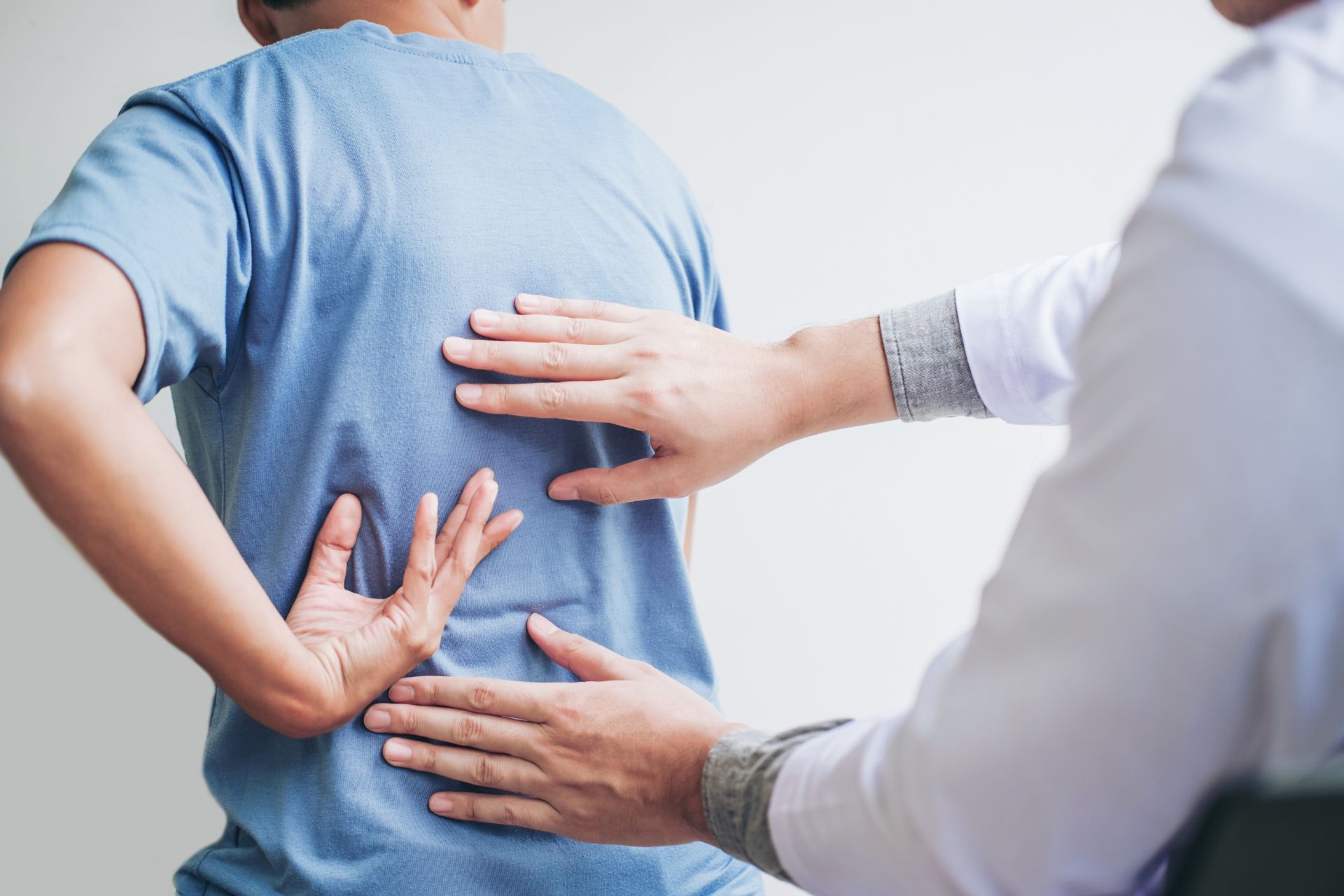
Rehabilitation Strategies to Address Rotator Cuff Tears

Rehabilitation Strategies to Address Rotator Cuff Tears

Contact Us

Alpine Physical Therapy and Fitness

  • Address: 3130 Alpine Rd Suite 370, Portola Valley, CA 94028
  • Phone: (650) 242-0777
  • Email: alpineptfit@mail.com

© Copyright - All Rights Reserved